July 28, 2026
Creating inviting exterior environments requires structural knowledge. Homeowners seek durable surfaces to enhance backyard landscapes. Selecting the correct foundation ensures enduring stability against harsh weather conditions. Proper design elements transform simple patios into luxurious retreats. People desire functional areas for relaxation. Achieving these goals depends on making informed construction decisions. High-quality components provide strength for exterior projects. The market offers numerous options to suit different aesthetics.
Choosing the best building materials dictates the success of any backyard transformation. Each product presents unique benefits regarding durability and maintenance. Wood offers a classic appearance, while synthetic alternatives provide modern resilience. Stone elements add natural elegance to garden pathways and cooking spaces. Evaluating climate factors helps in determining suitable products for specific regions. Informed choices result in stunning exterior living areas that stand resilient.
Considering Composite Decking Options
Composite decking represents a major advancement in exterior construction. Manufacturers blend wood fibers with recycled plastics to create sturdy boards. These components resist rotting and splintering, offering a major advantage over traditional lumber. The manufacturing process results in diverse color palettes and grain patterns. Property owners appreciate the low-maintenance nature of synthetic boards. Routine cleaning with soap and water maintains a pristine appearance over time.
Moisture resistance makes synthetic decking ideal for poolside areas. These synthetic building materials repel water, preventing mold growth and structural decay. Unlike natural wood, composite boards avoid periodic staining or sealing. This lack of required maintenance saves homeowners significant effort and money. The dense core provides structural integrity under heavy foot traffic. Builders recommend these products for regions experiencing frequent rain and high humidity.
Installation techniques for synthetic boards differ from traditional methods. Contractors utilize hidden fastening systems to secure decking without visible screws. This approach creates a smooth surface free from potential hazards. The synthetic makeup allows for precise cutting and fitting around complex architectural features. Proper spacing between boards accommodates thermal expansion during hot summer months. Following manufacturer guidelines ensures a sound deck structure.
Environmental concerns influence the popularity of synthetic alternatives. Companies source recycled plastic bags and reclaimed sawdust to manufacture these boards. Using repurposed waste reduces strain on natural forests and landfills. Homeowners prioritize eco-friendly choices when upgrading exterior areas. The impressive lifespan of composite decking decreases environmental impact by minimizing replacement needs. Sustainable construction practices shape the future of exterior home improvements.
Selecting Natural Stone Surfaces
Natural stone brings timeless beauty to exterior spaces. Quarries extract granite, limestone, and slate for various landscaping projects. Each stone possesses unique veining and color variations, ensuring distinct design outcomes. The sheer weight of stone provides unmatched stability for patios and pathways. Landscape architects praise the organic aesthetic that stone introduces to backyard settings. These raw elements blend with ease into surrounding environments.
Durability remains a primary reason for choosing stone. Hardscapes constructed from granite or flagstone endure extreme temperature fluctuations without cracking. These resilient building materials resist scratches and stains, maintaining visual appeal under heavy use. Proper grading and base preparation prevent uneven settling over time. Sealing the stone surface offers additional protection against moisture penetration. Property owners value the permanent nature of well-constructed stone features.
Different stone varieties serve distinct functional purposes. Slate offers a slip-resistant texture, making it suitable for wet areas near swimming pools. Smooth limestone provides a refined look for formal dining spaces and covered porches. Rough-hewn granite adds rustic charm to retaining walls and garden borders. Selecting the appropriate texture prevents accidents and enhances usability. Designers match stone types to specific activities planned for the area.
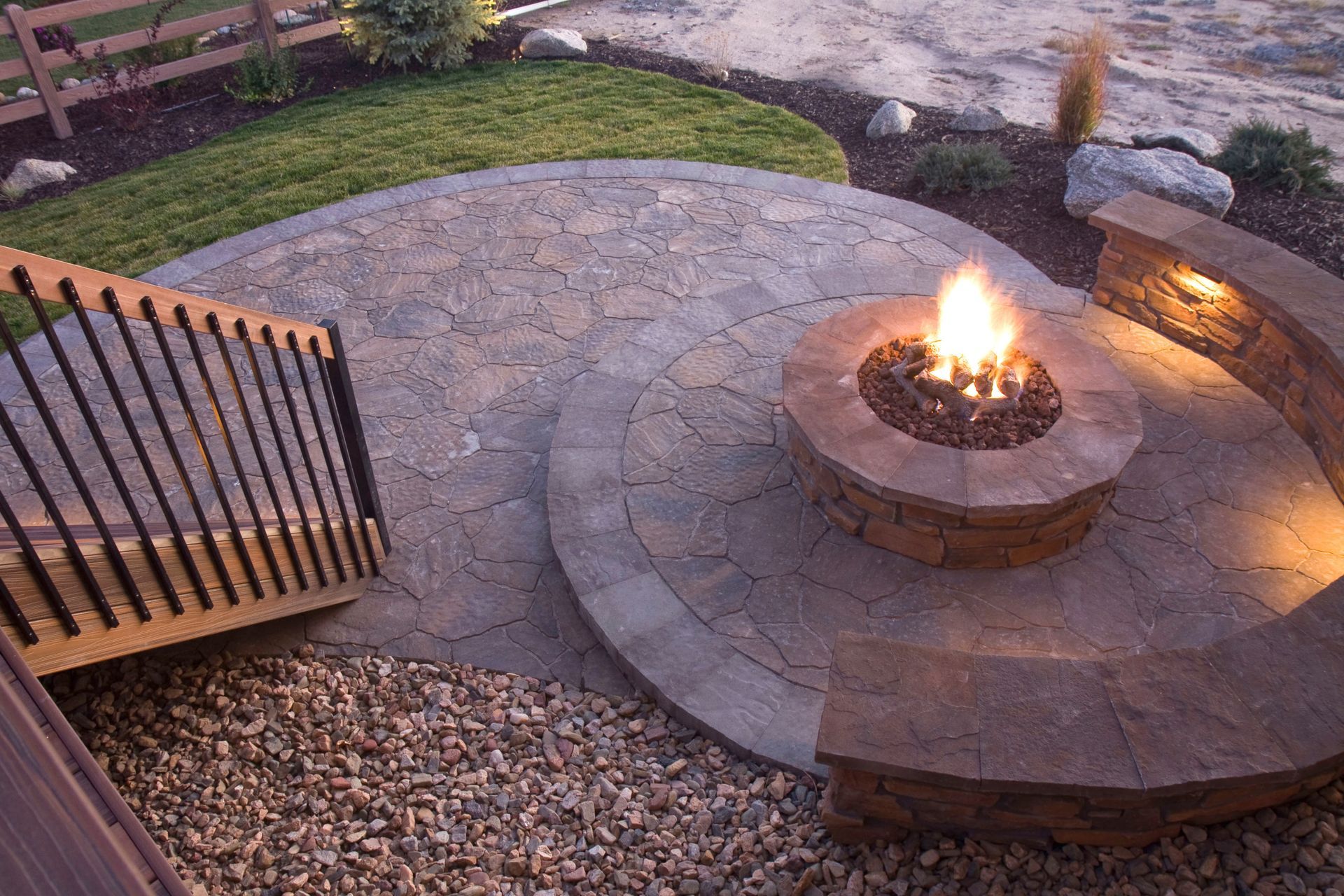
Integrating stone with other elements creates visual interest. Combining large stone slabs with decorative gravel defines distinct zones within a yard. The contrast between rough rocks and smooth wood features adds depth to the overall design. Fire pits crafted from stacked stone become focal points for evening gatherings. Crafting cohesive exterior designs requires balancing different textures and colors. Natural stone serves as an elegant anchor for complex landscaping projects.
Installing Concrete Paver Systems
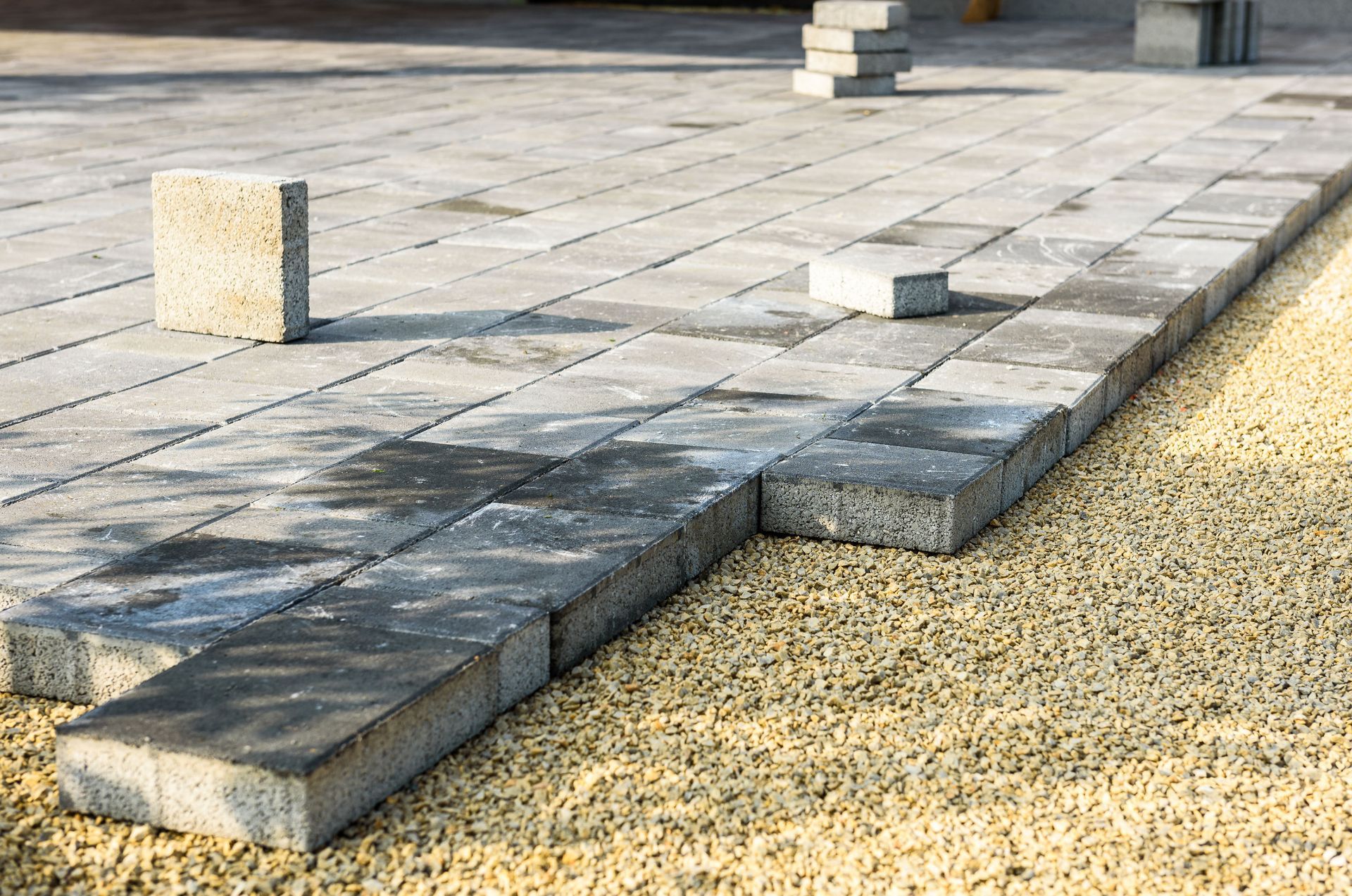
Concrete pavers offer incredible versatility for exterior design. Manufacturers mold concrete into numerous shapes, sizes, and colors. This variety allows installers to create intricate geometric patterns and custom layouts. The interlocking design distributes weight across the entire surface. Driveways and patios benefit from the load-bearing capacity of concrete systems. The modular nature of pavers simplifies the installation process for landscape contractors.
Repairing a paver surface involves minimal disruption. If a section sinks or suffers damage, contractors can lift and replace individual blocks. This localized repair method provides greater efficiency than pouring a fresh concrete slab. Using these versatile building materials reduces long-term maintenance costs for homeowners. Proper joint sand installation prevents weed growth and secures blocks in place. A well-maintained paver patio retains structural integrity over time.
Industry experts note a growing interest in exterior upgrades. According to Creative Pavers, 2026 is expected to be a landmark year for personal expression and innovation in enhancing outdoor living areas due to growing momentum. People desire customized spaces that reflect their lifestyle and aesthetic preferences. Paver systems allow for this high level of personalization through diverse layout options. The ability to mix different colors creates striking visual borders.
Permeable paver systems address environmental drainage concerns. These specialized blocks allow rainwater to filter through joints into the underlying ground. This process reduces surface runoff and prevents pooling during heavy rainstorms. Municipalities encourage the use of permeable surfaces to manage stormwater in residential areas. Property owners appreciate the functional benefits of eliminating standing water on their patios. Sustainable drainage solutions protect surrounding landscapes from erosion.
Sourcing Premium Hardwood Elements
Hardwood timber remains a favored choice for luxury exterior structures. Tropical woods like Ipe and teak possess natural oils that repel insects and moisture. The dense cellular structure prevents rotting and decay in humid climates. These exotic woods exhibit rich colors ranging from deep red to golden brown. The aesthetic warmth of real wood is difficult to replicate with synthetic alternatives. Carpenters value the workability and strength of premium timber.
The structural capabilities of hardwood exceed those of traditional softwood lumber. Ipe boards span greater distances without sagging, allowing for cleaner architectural lines. These durable building materials provide a solid foundation for elevated decks and expansive pergolas. The immense density makes hardwood resistant to scratches and dents from patio furniture. Heavy traffic leaves minimal impact on these tough wooden surfaces. Choosing premium timber ensures a strong and elegant exterior structure.
Maintaining hardwood requires specific care routines to preserve color. Without UV protection, tropical woods weather to a silvery gray hue. Some homeowners prefer this aged appearance and allow the wood to transition over time. Others apply specialized oils to maintain original rich tones. Regular cleaning and oiling protect the timber from harsh sunlight and moisture. The required upkeep rewards property owners with a stunning and classic deck.
Ethical sourcing of tropical timber demands careful consideration. Buyers seek products certified by forestry organizations to ensure sustainable harvesting practices. Responsible forestry protects delicate ecosystems and prevents illegal logging operations. Utilizing certified wood guarantees that the construction does not harm global rainforests. The demand for eco-friendly timber encourages positive environmental policies in producing nations. Conscientious property owners balance their desire for luxury with global environmental responsibility.
Investing in quality components adds immense value to residential properties. Well-designed exterior areas expand the usable square footage of a home. A sturdy patio or deck serves as a private oasis for relaxation. Evaluating different building materials ensures the final project meets all expectations for durability and style. The evolution of exterior construction offers endless possibilities for creating magnificent backyard retreats. The focus remains on crafting spaces that bring joy and comfort to daily life. When you are ready to start your next outdoor project, we invite you to visit Artesia Building Materials. Let our experienced team help you select the ideal building materials to turn your backyard vision into reality!